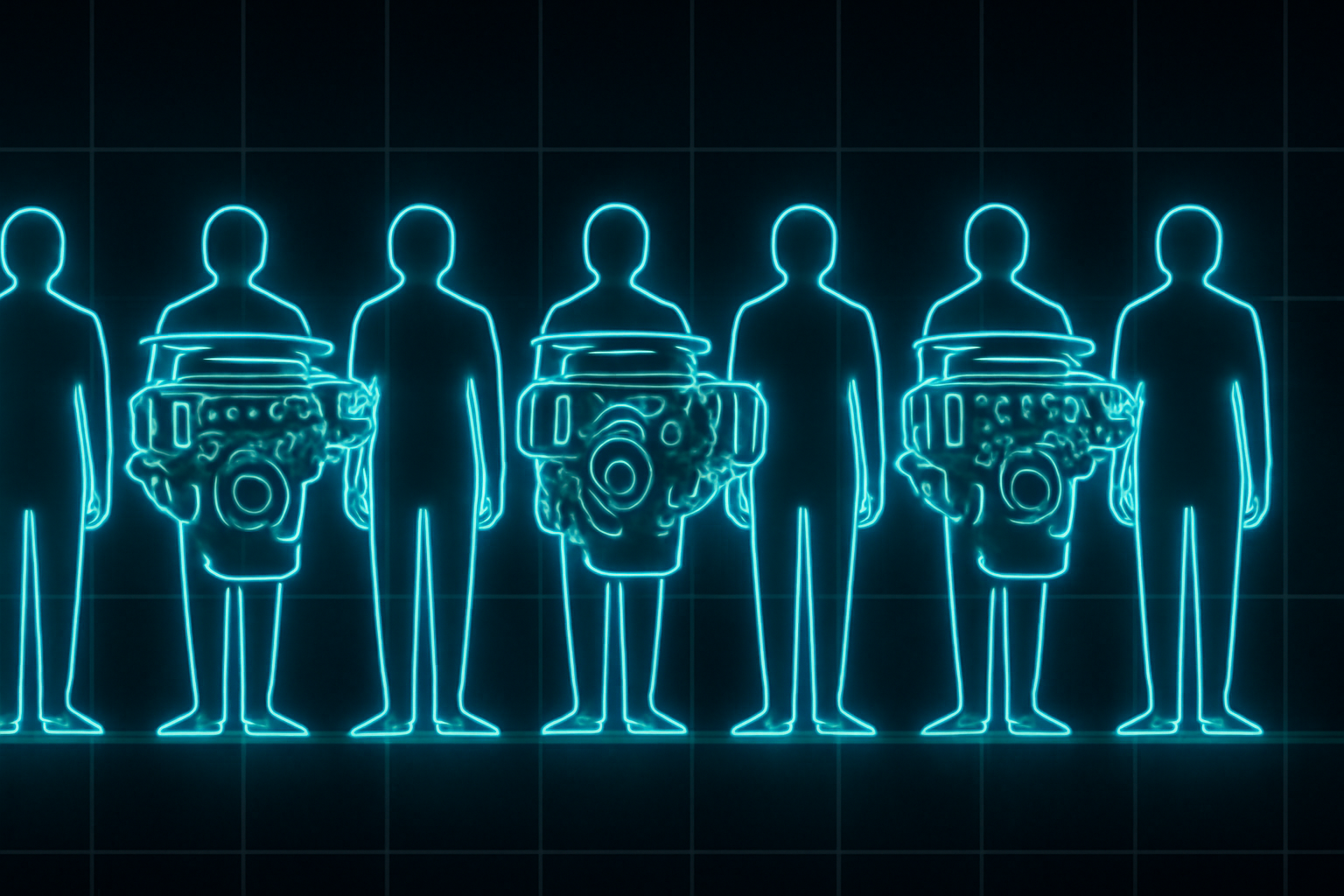
Newborn and twin records are the edge case MPI vendors often skip past in demos and CIOs always ask about. The matching problem is real: a newborn arrives without an established identifier, twins share most demographic fields except a few that registration staff routinely transpose, and the wrong match shows up in safety reports months later. The five engines below have track records of handling these records correctly under real US hospital conditions. For broader EMR integration context, see more on FHIR EMR integration.
The general selection picture sits in the FHIR MPI buyer's guide; this list narrows it to the most-discussed clinical edge case.
The Engines With Newborn And Twin Track Records
- NextGate EMPI. The enterprise MPI with the most-documented handling of the newborn case. The matching algorithm de-weights demographic fields known to be unreliable in the neonatal window and supports the linked-twin identifier pattern.
- IBM Initiate (HCL Initiate). Deep enterprise tooling for the neonatal case, including the rules-engine extensibility that lets hospital identity teams encode their own twin-handling policies.
- Verato Universal MPI. Referential matching against an external identity dataset adds a path for newborn matching that does not rely solely on contributor data, which is often incomplete in the neonatal window.
- Smile Digital Health MPI. FHIR-native MPI with explicit support for the newborn-and-mother linkage pattern through FHIR `Patient.link` semantics.
- Aidbox Patient Matching. FHIR-native MPI with support for the FHIR `Patient.link` pattern and a configurable matching algorithm that can be tuned for the neonatal edge case.
Why Newborns And Twins Break Naive Matching
Three patterns appear in every failed newborn or twin matching report. The first is demographic field unreliability. A newborn often does not have a first name on the first record, the surname can be a placeholder, and the date of birth is the only field with high confidence. Engines that weight first name and surname heavily for the general case have to de-weight them for newborns or produce false matches with similarly-named recent admissions.
The second is the mother-newborn linkage. The newborn's record has to link to the mother's record without merging the two into one Patient resource. Engines that handle FHIR `Patient.link` with type `seealso` for the family relationship hold up better than engines that only support strict merge semantics.
The third is the twin transposition. Registration staff routinely flip identifiers between twins on the first admission; the MPI has to surface the linkage as a candidate match rather than producing two unlinked records that propagate downstream. The cross-state patient identity walkthrough covers an adjacent edge case that compounds with the neonatal one in some national-network scenarios. The payer-driven reconciliation walkthrough covers what happens when the newborn record reaches the payer-side reconciliation downstream.
How To Test Newborn Handling During Procurement
Three concrete test cases separate engines that handle the case from engines that claim to: a newborn with a placeholder name and a verified date of birth, a twin pair with transposed identifiers in the first admission record, and a newborn-mother linkage where the canonical resource model has to express the relationship without merging the records.
Sources
- Optimizing Patient Record Linkage Using Machine Learning - HTML, JMIR / PMC, 2023
- Patient Matching IG - HTML, HL7 FAST, 2025
- FAST Focus: Identity & Patient Matching - PDF, HL7 FAST, August 2024